
Archive for February 2026
Guide to Powers of Attorney and Real Estate Authority

Powers of Attorney let you legally name a trusted person to act on your behalf—often for finances, property, or specific transactions—when you’re unavailable, traveling, or facing health issues. When real estate is involved, the details matter even more, because one document can authorize someone to sign closing papers, manage property, or even sell a home…
Read MoreTrusts and Real Estate: Protecting Property and Avoiding Probate

Trusts and Real Estate go together for one simple reason: real property is often a family’s biggest asset, and it can also be the asset most likely to trigger delays, court involvement, and family stress after someone passes away. A properly designed trust can keep your home (or multiple properties) moving to the right people…
Read MoreEstate Planning and Wills: Protecting Property, Assets, and Family

Estate Planning and Wills are the tools that let you decide what happens to your home, savings, personal belongings, and responsibilities—so the people you love aren’t left guessing during one of the hardest moments of their lives. A solid plan doesn’t just “hand out property.” It reduces conflict, protects children and vulnerable family members, and…
Read MoreProbate and Real Estate: What Happens to Property After Death
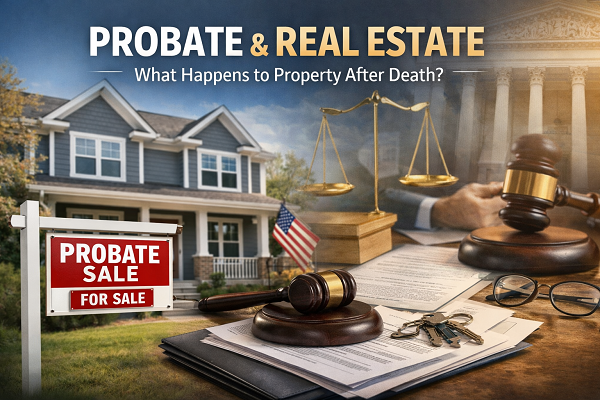
When a homeowner dies, Probate and Real Estate often collide fast—because a house can’t be sold, refinanced, or cleanly transferred until the legal authority to act is clear. In most cases, probate is the court-supervised process that confirms who has the right to manage the estate, pay valid debts, and transfer property to the correct…
Read More